Maximizing Efficiency in Storage Tanks with Innovative Level Measurement Technologies
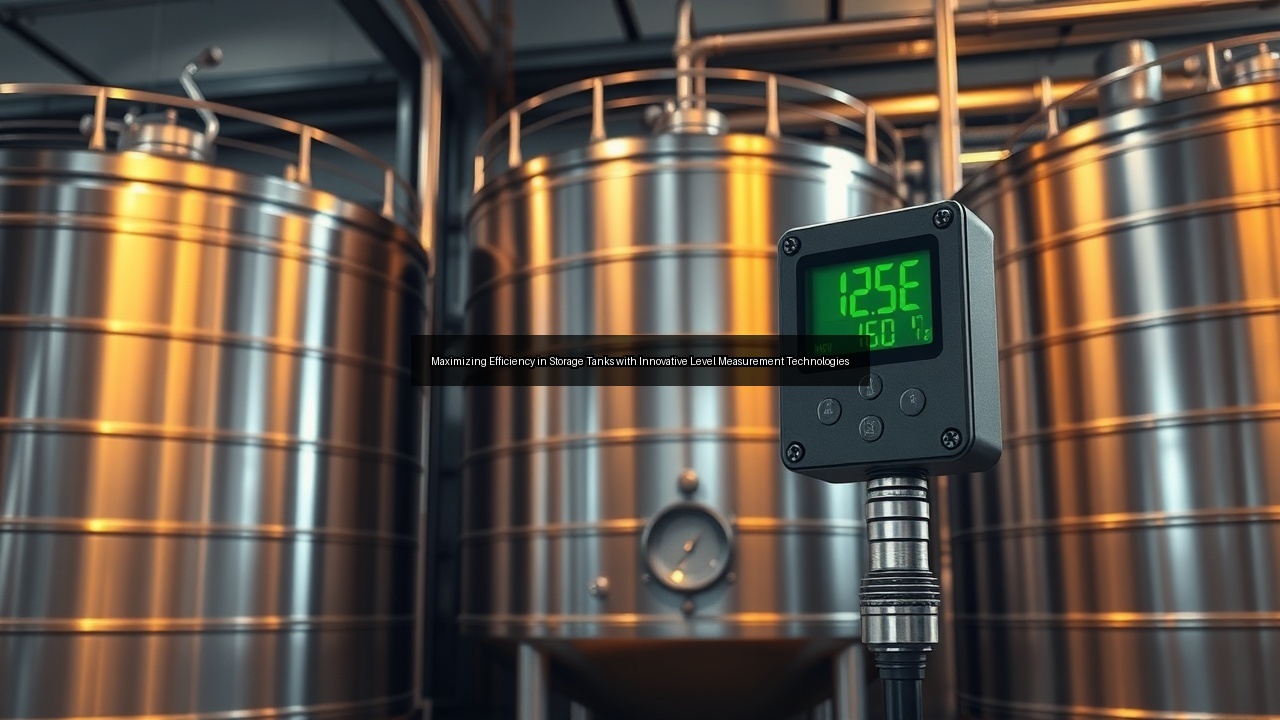
Understanding Diesel Tank Level Measurement
The Importance of Accurate Level Measurement in Diesel Tanks
Accurate diesel tank level measurement keeps operations running smoothly across farms, construction sites, and industrial facilities. Operators rely on precise readings to avoid unexpected shortages that stall diesel engines or disrupt fuel deliveries. A reliable diesel tank level indicator prevents overfills that waste fuel and create safety hazards. Regular monitoring also supports compliance with environmental rules by catching leaks early. When crews know exact volumes in each storage tank, they schedule refills efficiently and reduce downtime. This precision extends to tank farms where multiple diesel tanks interact, allowing managers to balance loads and maintain steady supply for heavy equipment. In practice, better level data cuts emergency calls and improves overall fuel management without extra labor.
Different Types of Level Gauges for Diesel Tanks
Level gauges for diesel tanks range from simple sight glasses to advanced electronic units. Mechanical float systems offer basic visual checks in smaller fuel tanks, while digital sensors provide remote readings. Diesel gauges often combine mechanical and electronic elements for redundancy in harsh environments. Stainless steel models resist corrosion from diesel fuel, and plastic versions suit lighter applications where weight matters. Tank level gauges installed on gas tanks or larger storage tanks deliver consistent performance across temperature swings. Selection depends on tank size, fuel type, and access needs. Many facilities pair multiple level gauges to cross-check data and catch discrepancies before they affect diesel engine performance or inventory counts.
Innovative Technologies in Level Measurement
Ultrasonic Level Sensors for Diesel Tanks
Ultrasonic level sensors send sound waves to measure diesel tank level without touching the fuel. These non-contact devices mount on top of storage tanks and calculate distance by timing the echo return. They work well in diesel tanks where vapors or temperature changes might affect other methods. Operators receive continuous updates through connected displays or control systems. Ultrasonic units handle plastic and stainless steel tanks equally well and require minimal maintenance once calibrated. In tank farms, multiple sensors feed data into one dashboard for quick oversight of all diesel supplies. This technology improves accuracy for fuel tank level indicator needs while resisting buildup common with diesel fuel.
Capacitive Level Sensors: A Modern Solution
Capacitive level sensors detect changes in electrical properties as diesel fuel rises or falls inside the tank. Probes inserted through the tank top measure the dielectric difference between air and diesel. These sensors deliver stable readings even with foam or agitation in smaller fuel tanks. They integrate easily with existing diesel tank level indicator systems and support both local and remote monitoring. Stainless steel housings protect against aggressive diesel fuels, while compact designs fit tight installations. Capacitive options excel in applications where radar might face interference, offering reliable tank level gauges for day-to-day fuel tracking.
Radar Level Measurement Technologies
Radar level measurement uses microwave signals that pass through vapors and foam without signal loss. High-frequency models achieve millimeter accuracy in large diesel tanks and tank farms. Non-contact radar units install quickly on existing openings and resist buildup from diesel fuel. They provide consistent tank level data regardless of temperature or pressure shifts inside the storage tank. Many radar systems connect directly to plant networks for automated alerts when diesel drops below set points. This approach reduces manual checks and supports precise inventory control across multiple tanks.
Magnetic Float Level Indicators
Magnetic float level indicators use a buoyant float that travels along a guide tube, triggering external visual flags or switches. These robust devices suit diesel tanks where direct contact with fuel poses no issue. Stainless steel construction handles corrosive diesels fuels while plastic floats keep weight low in lighter setups. Magnetic indicators deliver clear local readings without power, making them ideal backup options alongside electronic sensors. Facilities often install them on fuel tanks for quick visual confirmation during routine walks. Their simple design minimizes failure points and supports long-term reliability in demanding environments.
Benefits of Advanced Diesel Tank Level Indicators
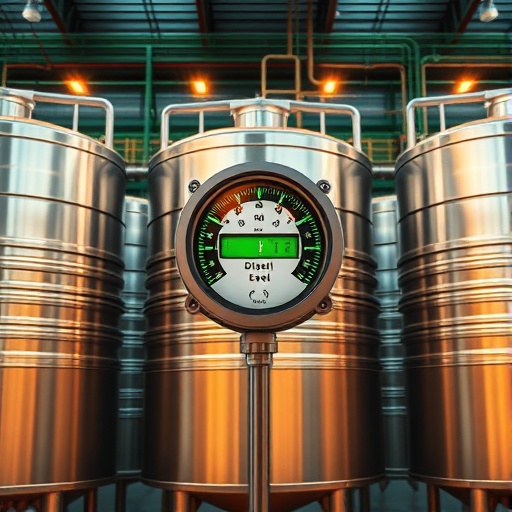
Enhanced Efficiency in Fuel Management
Advanced diesel tank level indicators streamline fuel management by delivering exact volume data on demand. Managers plan deliveries around real tank levels instead of estimates, cutting unnecessary trips and overtime costs. Diesel engines stay fueled without last-minute scrambles, and operators avoid costly rush orders. Integrated systems track usage patterns across storage tanks, revealing opportunities to optimize routes or consolidate fills. This data-driven approach reduces idle time for equipment and improves overall site productivity. When every tank level gauge feeds into one platform, coordination between departments becomes seamless and waste drops noticeably.
Real-time Data Monitoring and Reporting
Real-time monitoring turns raw tank level data into actionable reports. Sensors transmit readings to cloud platforms or local servers every few minutes, creating historical logs for trend analysis. Supervisors review fuel consumption on mobile devices and set custom alerts for low or high levels. Automated reports simplify regulatory submissions by documenting exact diesel volumes in each storage tank. This visibility helps identify unusual drops that might signal leaks or theft. Over time, accumulated data supports better forecasting and reduces surprises in fuel budgeting across multiple sites.
Reducing Fuel Wastage and Environmental Impact
Precise diesel tank level indicators limit overfills and spills that harm soil and water. Early detection of leaks prevents small issues from becoming major environmental incidents. Accurate tracking also curbs evaporation losses in open or poorly sealed tanks. Facilities cut diesel fuel waste by ordering only what they need, lowering both costs and carbon output from transport. Many modern level gauges include automatic shutoff integration that stops pumps before tanks reach capacity. These measures support sustainability goals while protecting operators and surrounding communities from hazardous releases.
Implementation Considerations for Diesel Level Gaques
Choosing the Right Level Sensor for Your Tank
Selecting the correct level sensor starts with tank material, size, and fuel characteristics. Stainless steel tanks pair well with radar or ultrasonic units, while plastic tanks may favor capacitive probes. Diesel fuel compatibility, temperature range, and required accuracy all influence the decision. Facilities with tank farms often standardize on one or two sensor types to simplify spares and training. Reviewing related searches such as diesel tank gauge options helps compare features and pricing before purchase. Matching the sensor to the application ensures reliable tank level indicators that perform consistently year after year.
Installation Best Practices for Reliability
Proper installation protects sensor accuracy and extends service life. Mount devices away from inlet pipes to avoid turbulence that distorts readings. Ensure seals match the tank material, whether stainless steel or plastic, to prevent leaks. Follow manufacturer guidelines for cable routing and grounding to reduce electrical noise. In tank farms, align all level gauges at consistent heights for easier comparison. Test each unit after mounting and verify communication with monitoring software before placing the tank back in service. These steps reduce future troubleshooting and deliver dependable diesel tank level data from day one.
Maintenance Tips for Long-lasting Performance
Routine maintenance keeps diesel tank level indicators accurate and functional. Schedule periodic cleaning of probes or antennas exposed to diesel fuel residue. Check calibration annually or after major temperature swings. Inspect wiring and connectors for corrosion, especially in outdoor tank farms. Replace worn floats or seals before they fail. Document all service activities to track performance trends. Simple preventive steps prevent most failures and maintain consistent tank level gauge readings without expensive emergency repairs.
Future Trends in Diesel Tank Level Measurement
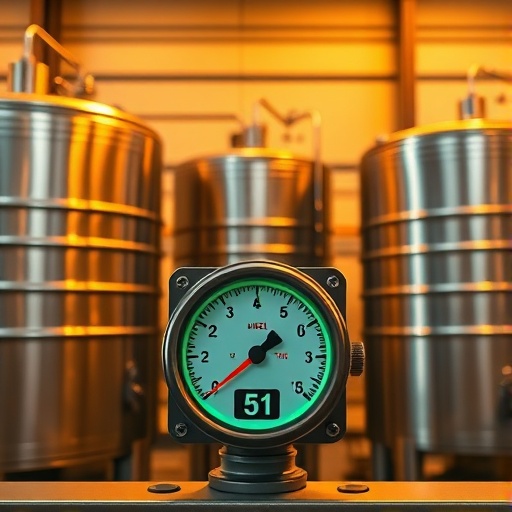
Integration with IoT and Smart Technologies
IoT connectivity links diesel tank level indicators directly to enterprise systems for automated ordering and alerts. Smart sensors transmit data over wireless networks to dashboards accessible from anywhere. Integration with diesel engine telematics allows fuel levels to influence route planning and maintenance schedules. Tank farms benefit from centralized control that flags issues across dozens of tanks simultaneously. This connected approach reduces manual checks and speeds response times when levels approach critical thresholds.
The Role of Data Analytics in Fuel Management
Data analytics transforms raw tank level readings into predictive insights. Algorithms spot usage patterns and forecast when diesel tanks will need refills. Managers use these forecasts to negotiate better fuel prices and avoid premium deliveries. Analytics also detect gradual leaks by comparing expected versus actual consumption. Over multiple tanks, aggregated data reveals efficiency opportunities that individual gauges cannot show. Facilities adopting these tools gain tighter control over diesel fuel costs and inventory accuracy.
Sustainability in Diesel Fuel Storage Solutions
Sustainability efforts focus on smarter diesel fuel storage that minimizes waste and emissions. Advanced level measurement supports closed-loop systems that capture vapors and prevent spills. New tank designs incorporate sensors that optimize fill levels to reduce headspace and evaporation. Data from these systems helps operators transition toward lower-carbon alternatives while maintaining diesel engine reliability. Long-term, precise monitoring contributes to cleaner operations and supports regulatory goals for reduced environmental impact across the fuel supply chain.