Exploring the Role of Custom Manifolds in the Oil and Gas Industry
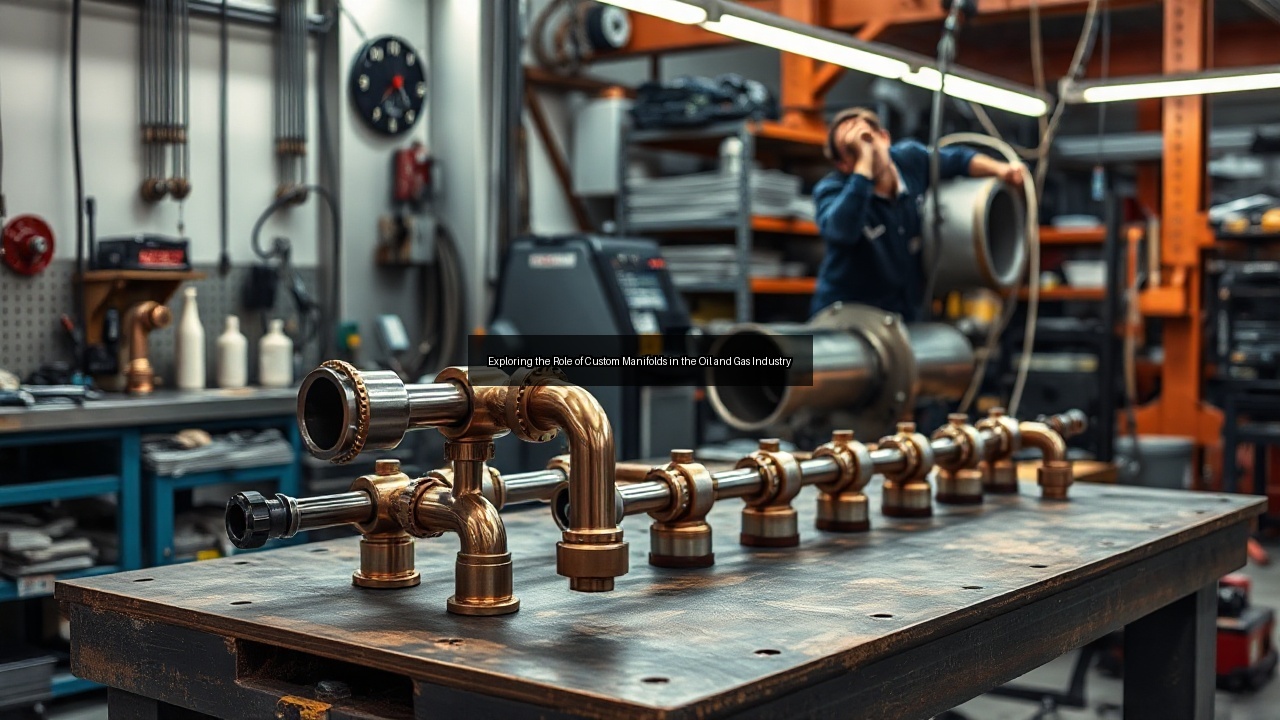
Introduction to Custom Manifolds in the Oil and Gas Industry
Importance of Custom Manifolds
Custom manifold systems deliver precise control over fluid and hydraulic flows in demanding oil and gas environments. Engineers rely on these components to route high-pressure streams through valves and pipes while minimizing leaks and downtime. A single custom manifold often replaces multiple separate fittings, which reduces overall weight and simplifies maintenance routines on offshore platforms and remote well sites. Companies that invest in tailored designs report faster installation times and improved operational safety because every port, channel, and mounting point matches the exact layout of the equipment. This level of precision supports higher throughput in extraction and processing stages where even minor flow restrictions can cut daily output. Operators also gain better monitoring capabilities when sensors integrate directly into the manifold body, allowing real-time adjustments that protect both personnel and expensive infrastructure from sudden pressure spikes.
Overview of Manifold Applications
Manifolds serve as central hubs in oil and gas operations ranging from wellhead control to pipeline distribution networks. In upstream drilling, hydraulic manifolds direct power to blowout preventers and choke valves, ensuring rapid response during critical events. Midstream facilities use larger custom manifold assemblies to split or combine fluid streams between storage tanks and transport lines. Downstream refineries depend on compact stainless steel units to manage corrosive media through multiple processing stages without cross-contamination. Each application demands unique port configurations, pressure ratings, and material selections that standard catalog parts rarely satisfy. By working with specialized engineering teams, companies obtain manifolds that align perfectly with existing pipe schedules and valve types, including ball valves for quick shutoff. This tailored approach supports continuous production while meeting strict industry regulations on emissions and spill prevention.
Design and Engineering of Custom Manifolds
Key Design Considerations
Effective custom manifold design begins with a thorough analysis of flow rates, pressure drops, and temperature extremes expected in service. Engineers calculate channel diameters to maintain laminar or turbulent flow as required and position ports to avoid dead zones where sediment might collect. Mounting orientation, vibration isolation, and access for future inspections all influence the final layout. Teams also evaluate compatibility with surrounding components such as pumps, filters, and exhaust systems to prevent interference during assembly. Software modeling allows rapid iteration of these parameters before any metal is cut, saving weeks of trial-and-error fabrication. The result is a robust unit that withstands cyclic loading and corrosive fluids typical in oil and gas fields while remaining compact enough for tight equipment skids.
Materials Used in Manufacturing
Stainless steel dominates custom manifold construction for oil and gas because it resists pitting and cracking when exposed to sour gas and saltwater. High-strength alloys handle extreme pressures without excessive wall thickness that would add unnecessary weight. Aluminum manifolds appear in lighter-duty hydraulic circuits where corrosion protection comes from anodizing or coatings rather than inherent material properties. Engineers select these materials after reviewing fluid chemistry, operating temperatures, and expected service life. Pipe threads, flange faces, and sealing surfaces receive extra attention during material specification to guarantee leak-free performance over years of continuous operation. Proper material choice also simplifies later integration with ball valves and other flow-control devices that must match the manifold’s thermal expansion characteristics.
Role of Software in Design Process
Modern design software enables engineers to simulate fluid dynamics inside every channel of a proposed custom manifold before manufacturing begins. Computational fluid dynamics tools reveal pressure losses and velocity profiles that guide refinements to internal geometry. Solid modeling programs verify fit within the larger assembly and generate bills of materials that include exact quantities of steel or aluminum stock. Collaboration platforms allow multiple stakeholders to review and approve designs in real time, catching potential clashes with valves or mounting brackets early. Once finalized, the same software exports CNC toolpaths and inspection criteria directly to production equipment, reducing transcription errors. This digital thread from concept to finished part accelerates delivery schedules while ensuring each manifold meets the performance targets set during initial engineering reviews.
Manufacturing Processes for Custom Manifolds
Fabrication Techniques
Fabrication of custom manifolds typically combines CNC machining, drilling, and welding to create complex internal passages from solid billets or welded plate assemblies. Multi-axis mills cut precise port locations and sealing grooves in a single setup, maintaining tight tolerances required for high-pressure service. For larger units, fabricators weld sub-assemblies then machine critical faces to restore flatness and alignment. Additive manufacturing now supplements traditional methods for prototypes or low-volume runs where internal lattice structures reduce weight without sacrificing strength. Throughout fabrication, operators track every operation against the engineering drawings to produce manifolds that integrate seamlessly with hydraulic power units and fluid power circuits common in oil and gas facilities.
Quality Assurance in Manufacturing
Quality assurance protocols verify that every custom manifold withstands proof testing at pressures well above operating levels. Technicians perform dye-penetrant and ultrasonic inspections on welds and critical sections to detect subsurface flaws. Dimensional checks confirm port spacing and thread quality match specifications before any coating or passivation steps occur. Functional testing with actual hydraulic fluid or compressed gas confirms valve actuation and flow distribution perform as modeled. Documentation packages accompany each shipment, giving operators traceability from raw material heat lots through final inspection. These rigorous steps protect downstream processes from unexpected failures that could halt production or trigger environmental incidents.
Hydraulic and Fluid Power Integration
Custom manifolds often serve as the backbone of hydraulic and fluid power systems that drive pumps, actuators, and control valves throughout oil and gas installations. Integrated check valves, relief valves, and accumulators allow compact packaging that fits within equipment skids already crowded with pipe runs and electrical conduits. Engineers route return lines and drain ports to minimize hose lengths and reduce potential leak points. Proper integration also considers thermal expansion so that repeated heating and cooling cycles do not loosen fittings or distort sealing surfaces. When completed correctly, the manifold becomes a reliable node that delivers consistent hydraulic pressure and flow regardless of load variations encountered during drilling, pumping, or processing operations.
Applications of Custom Manifolds Beyond Oil and Gas
Custom Manifolds in Agriculture
Agricultural equipment manufacturers adapt custom manifold technology to manage hydraulic functions on tractors, sprayers, and harvesters. These units combine multiple valve functions into a single block, cutting hose counts and simplifying field repairs. Farmers benefit from faster implement changes and more precise control over hydraulic motors that drive conveyors or folding mechanisms. Stainless steel versions withstand fertilizer and pesticide exposure, while aluminum options keep weight low on lighter machines. The same design and manufacturing principles developed for oil and gas translate directly to these rugged outdoor environments where reliability directly affects seasonal productivity.
Role in Construction and Forestry
Construction and forestry machinery depend on durable custom manifolds to power booms, grapples, and track drives under heavy vibration and shock loads. Fabricators use high-strength steel alloys to resist impact damage while maintaining fine internal passages that control cylinder speeds. Thermal management features such as integrated cooling channels prevent fluid overheating during continuous operation in hot climates or dense timber stands. Companies that supply these industries often combine exhaust and hydraulic manifolds on the same engine package to optimize space and reduce overall machine weight. Field technicians appreciate the modular layout that speeds replacement of individual sections rather than entire assemblies.
Innovations in Mining Applications
Mining operations push custom manifold performance further with extreme dust, moisture, and abrasive slurries. Engineers incorporate larger flow channels and hardened valve seats to handle the punishing conditions found underground or in open-pit environments. Stainless steel and specialized coatings protect against corrosive mine water, while redundant port designs allow quick rerouting if one line clogs. Fluid power manifolds on haul trucks and excavators integrate directly with exhaust systems to manage both hydraulic actuation and emissions control in a single compact package. These innovations improve uptime and reduce maintenance intervals in one of the world’s most demanding industrial settings.
Future Trends in Custom Manifold Development
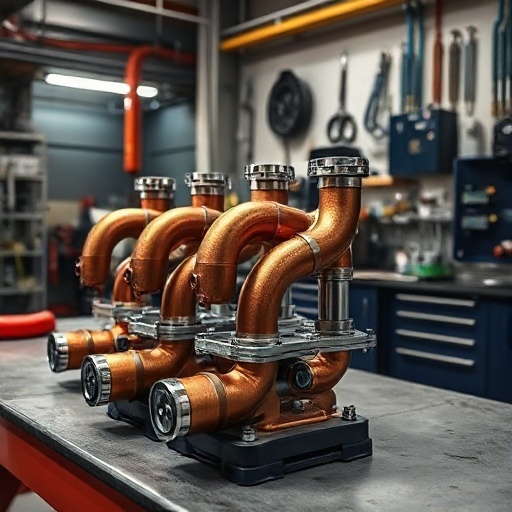
Advancements in Materials like Stainless Steel and Aluminum
Material scientists continue to refine stainless steel and aluminum alloys for custom manifold production, introducing grades with higher yield strength and improved corrosion resistance. New powder metallurgy processes allow complex internal geometries that traditional machining cannot achieve, cutting weight while preserving pressure ratings. These advancements let designers specify thinner walls without compromising safety factors, which matters on weight-sensitive offshore platforms and mobile mining equipment. Companies adopting the latest alloys report longer service intervals and lower lifecycle costs across both oil and gas and adjacent sectors such as construction and forestry.
Impact of Thermal Management on Design
Thermal management now drives many custom manifold decisions as operating temperatures climb in deeper wells and high-output engines. Engineers embed cooling passages or specify materials with tailored thermal conductivity to keep hydraulic fluid within safe viscosity ranges. Finite element analysis predicts hot spots and guides placement of heat sinks or insulation layers. Effective thermal control extends seal life and prevents varnish formation inside channels, preserving long-term performance of valves and pumps connected to the manifold. These considerations grow increasingly important as equipment packs more power into smaller envelopes.
The Role of Custom Exhaust Manifolds in Emerging Technologies
Custom exhaust manifolds play an expanding role in hybrid powertrains and emissions-reduction systems entering oil and gas, mining, and agricultural fleets. Fabricators combine exhaust and hydraulic functions in single cast or machined units that route hot gases away from sensitive fluid power components while recovering waste heat for auxiliary systems. Advanced simulation software optimizes runner lengths and merge points to improve scavenging and reduce backpressure. As regulations tighten around particulate and NOx output, these integrated exhaust manifolds help equipment meet standards without sacrificing hydraulic responsiveness or adding excessive weight. The same manufacturing techniques that produce reliable fluid manifolds now support next-generation exhaust systems across multiple industries.