Safety Standards Every Skid Fabrication Shop Should Adhere To
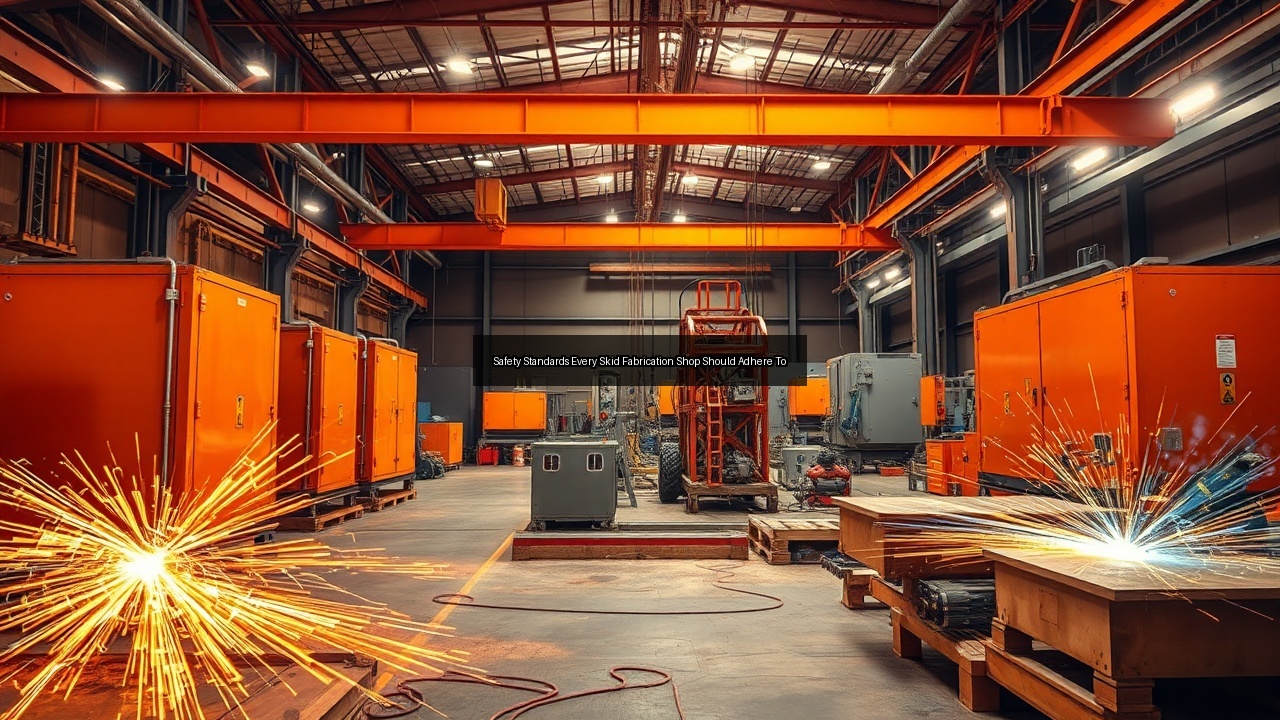
Understanding Safety Standards in Skid Fabrication
Importance of Safety in Skid Fabrication
Every skid fabrication shop must prioritize safety to protect employees, maintain productivity, and ensure compliance with regulations. Skid fabrication involves various processes, including welding, machining, and assembly, which can pose significant hazards. The oil and gas industry, construction sectors, and other manufacturing fields rely on modular process skids for their operations. Without stringent safety measures, the risk of accidents increases, leading to injuries and costly downtimes. A commitment to safety not only safeguards workers but also enhances the reputation of the fabrication company, fostering trust among clients and stakeholders.
Overview of Relevant Safety Regulations
Numerous safety regulations govern skid fabrication practices. The Occupational Safety and Health Administration (OSHA) provides guidelines that outline safety protocols in workplaces, including skid fabrication shops. Manufacturers must comply with standards regarding personal protective equipment (PPE), proper ventilation, and safe handling of materials. Additionally, industry-specific regulations may apply, particularly in sectors like oil and gas where hazardous materials are prevalent. Understanding and adhering to these regulations helps ensure a safe working environment, reducing the potential for legal liabilities and enhancing operational efficiency.
Key Safety Challenges in Skid Fabrication Shops
Skid fabrication shops face several custom skid fabrication safety challenges that can complicate operations. One major concern is the handling of heavy materials and equipment. Workers often maneuver large alloy components, which can lead to strains or accidents if not managed properly. skid fabrication company Furthermore, the welding process introduces risks such as exposure to harmful fumes and potential fire hazards. In addition, the complexity of modular process systems necessitates a well-coordinated approach to safety, as multiple trades often collaborate on a single project. Awareness of these challenges and proactive risk management strategies are essential for maintaining a safe workplace.
Essential Safety Practices for Skid Fabrication Shops
Welding Safety Protocols
Welding remains a cornerstone of the skid fabrication process, demanding strict adherence to safety protocols. Workers must wear appropriate PPE, including helmets with proper filters, gloves, and fire-resistant clothing, to protect against sparks and molten metal. Shops should establish designated welding areas equipped with adequate ventilation systems to minimize exposure to hazardous fumes. Regular training sessions on welding safety help reinforce best practices among employees. Additionally, maintaining equipment regularly ensures that welding machines function correctly, reducing the risk of accidents caused by faulty machinery. Implementing these protocols fosters a culture of safety within the fabrication shop.
Machining Safety Guidelines
Machining processes in skid fabrication involve cutting, shaping, and finishing materials, presenting unique safety hazards. Operators must follow specific guidelines to mitigate risks associated with sharp tools and heavy machinery. Workstations should be organized to minimize clutter, allowing for safe movement and reducing the likelihood of accidents. Proper machine guarding is essential to protect workers from moving parts. Additionally, employees should receive comprehensive training on operating machinery safely, including awareness of potential hazards. Regular maintenance checks on machines ensure they operate smoothly, further enhancing safety in the fabrication environment.
Handling and Storage of Materials
Proper handling and storage of materials are crucial in skid fabrication shops. Workers frequently deal with various alloys and components, which can be hazardous if not managed correctly. Implementing clear labeling and organized storage systems helps prevent accidents related to misplaced materials. Heavy items should be stored at waist height or lower to reduce the risk of injury during lifting. Training employees on safe lifting techniques and the use of mechanical aids, such as forklifts or hoists, can significantly lower the chances of musculoskeletal injuries. In addition, maintaining a clean and orderly workspace contributes to a safer fabrication environment.
Quality Management and Safety in Modular Skid Fabrication
Integrating Quality Assurance with Safety Standards
Integrating quality assurance with safety standards enhances the overall performance of skid fabrication operations. Quality management systems ensure that every stage of the fabrication process meets established safety protocols. By embedding safety checks into quality assessments, companies can identify potential hazards early and address them proactively. This dual focus not only reduces accidents but also improves product integrity. Modular skid manufacturers that prioritize both quality and safety create a competitive edge in the market, attracting clients who demand reliability and compliance in their custom skid fabrication projects.
Role of Quality Control in Skid Fabrication
Quality control plays a vital role in ensuring that fabricated skids meet industry standards and client specifications. Implementing rigorous testing and inspection processes during the fabrication process helps identify defects before they escalate into safety issues. Regular audits of manufacturing practices ensure that safety protocols are followed consistently. Additionally, maintaining detailed records of inspections and quality assessments enables companies to track performance over time, fostering continuous improvement. A robust quality control system not only ensures safety but also enhances operational efficiency, ultimately leading to cost savings for the fabrication company.
Impact of Safety on Cost and Efficiency
Investing in safety measures yields significant benefits for skid fabrication shops. While initial costs may seem high, the long-term savings from reduced accidents and injuries outweigh these expenses. A safe working environment minimizes downtime, as fewer accidents lead to uninterrupted production schedules. Moreover, a strong safety record attracts more clients, particularly in sectors like the oil and gas industry, where compliance is crucial. By prioritizing safety, companies enhance their overall efficiency, enabling them to deliver high-quality modular process skids on time and within budget. This balance between safety and cost ultimately contributes to a more sustainable business model.
Technological Advancements in Safety for Skid Fabrication
Emerging Technologies in Safety Equipment
Advancements in safety equipment significantly enhance protection for workers in skid fabrication shops. New technologies, such as wearable safety devices, monitor health metrics and alert workers to potential hazards in real-time. Smart helmets equipped with augmented reality can provide guidance during complex tasks, reducing errors and improving safety outcomes. Additionally, automated machinery minimizes human interaction with dangerous equipment, lowering the risk of accidents. Embracing these innovations not only increases safety but also boosts overall productivity, enabling companies to stay competitive in a rapidly evolving market.
Software Solutions for Risk Management
Software solutions for risk management streamline safety processes in skid fabrication. These programs allow companies to track safety incidents, analyze trends, and generate reports to identify areas for improvement. Advanced risk assessment tools enable businesses to evaluate potential hazards in their operations, facilitating proactive measures to mitigate risks. Cloud-based platforms can enhance communication among teams, ensuring that safety protocols are consistently applied across the fabrication shop. By leveraging technology for risk management, skid fabrication companies can foster a culture of safety that permeates every aspect of their operations.
Training and Licensing for Safety Compliance
Effective training and licensing are essential components of safety compliance in skid fabrication. Companies must provide comprehensive training programs that cover safety protocols, equipment operation, and emergency response procedures. Regular refresher courses keep employees updated on the latest safety standards and practices. Licensing for specialized tasks, such as operating heavy machinery or handling hazardous materials, reinforces the importance of safety in the workplace. By investing in training and licensing, skid fabrication shops foster a skilled workforce that prioritizes safety, ultimately leading to fewer accidents and a more productive working environment.